
When You Can’t Do It All: Discipleship, Relationships, and Dealing with Rejection
You’re trying to be a faithful friend. A good witness. A committed disciple-maker. And somehow, you’re also supposed to stay present to the people already in your life while actively investing in new relationships for the sake of mission.
And then someone you’ve poured into for months — years, even — looks you in the eye and makes it crystal clear: they’re not interested.

I get questions like this all the time from pastors, ministry leaders, and everyday Christians who are serious about everyday disciple-making but feel pulled in too many directions. So I’m going to answer two of those questions right now, because I think they’re actually more connected than they first appear.
Q1: How Do I Balance Existing Relationships With New Ones for Discipleship?
Emily asked: “I struggle to balance maintaining my current relationships and cultivating new ones for the sake of discipleship and mission. What do you suggest I do?”
Emily, I love this question — but I want to start with a question of my own:
Who do you truly believe you are called to disciple, and can you actually do life together with them?
Here’s the thing many of us avoid saying out loud: not every relationship in your life is a discipleship relationship. That’s not cold or dismissive — it’s just honest. Some of your closest people from college, past jobs, or even extended family don’t share your daily rhythms. You don’t live near each other. Your paths don’t cross in the ordinary stuff of life. That matters more than we usually admit.
“Jesus didn’t make disciples in a classroom or across a long-distance relationship. He invited twelve people to be with him — sharing meals, walking the same roads, living in proximity over years.”
And for thousands of years before that, rabbis made disciples exactly the same way. The ancient concept of shimush chachamim — being covered in the dust of your rabbi’s feet — describes disciples who followed so closely they were literally walking through life together. That’s not a metaphor. That’s the method.
We’ve largely swapped that model for something wider and shallower. And honestly? A part of us prefers it that way.
The Part of Us That Prefers Shallow
I’ll be honest with you: the little selfish parts of our hearts actually like maintaining a huge network of surface-level relationships. It feels productive. It looks active. And most importantly — it doesn’t require us to truly open up, go deep, or let our own redemption (or lack thereof) show.

True life-on-life discipleship means you’re living as an open book. It means the people you’re investing in see how you handle conflict with your spouse, how you respond when work is hard, how you struggle and grow and sometimes fail. That kind of vulnerability is costly. A thousand social media connections is not.
So What Do You Do?
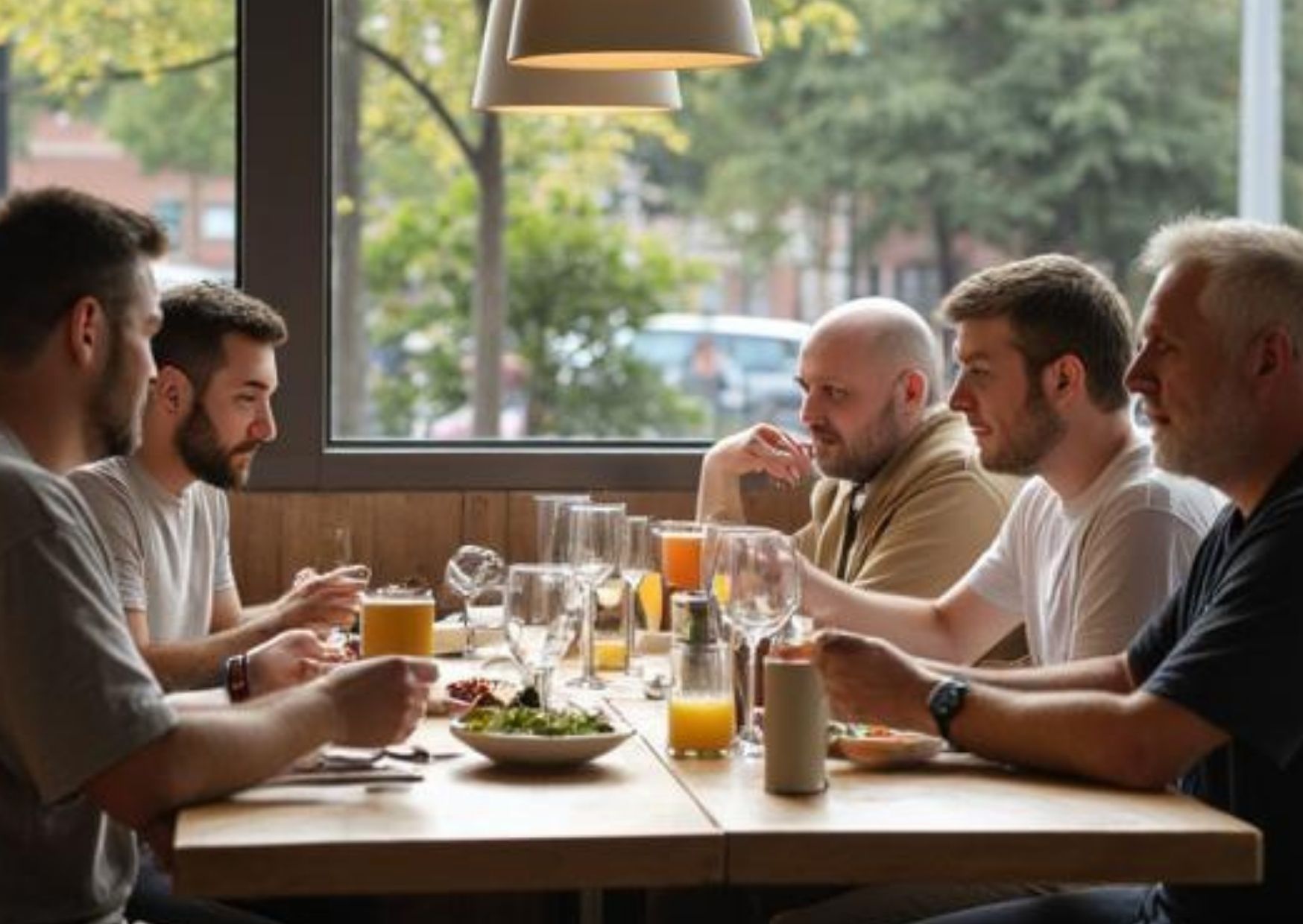
Look honestly at your current relationships and ask: Can I actually do life with this person? Not just text them occasionally or grab coffee twice a year. I mean: are our lives intertwined enough that discipleship could organically happen?
If yes — invest there. Go deeper. Stop waiting for a program to create the structure. The relationship is already the structure.
If no — don’t feel guilty. Keep being a faithful witness through how you love, serve, and live. Pray for them. Keep the door open. But trust God to lead you toward the people you can actually walk with day-to-day. These are what Jesus called “people of peace” — the ones already being prepared for exactly this.
Finding Your People of Peace is a whole episode I recorded on exactly how to find them. It’s worth the listen.
Q2: What Do You Do When Someone Just Isn’t Interested?
Charles asked: “What do you do after you’ve spent lots of time with a person, shared your faith, and they still have no interest in spiritual things, the church, or Jesus?”
First, Charles — I want you to sit with this question: Do you believe that person is being drawn to faith by God right now?
The Bible is clear that God grants faith that leads to repentance. He is the one who opens hearts. That means there are seasons when someone isn’t ready — not because you failed, but because the timing is God’s, not yours. Maybe He used you to break up hard ground. Maybe you planted something that someone else will water years from now. You may never know. And that’s okay. That’s God’s business, not yours.
But here’s what you should absolutely do when a friend has made it clear they’re not interested in talking about Jesus right now:
Be their friend.
I know. Profound, right?
“Not everyone you invest in will become a disciple — at least not on your timeline. But everyone you love faithfully will see what the heart of God actually looks like.”
When you continue to show up for someone who’s told you they’re not interested — not pulling back, not getting weird or distant, not making every conversation a gospel presentation — you’re doing something powerful. You’re showing them the heart of a Father who pursues and pursues, patiently, even when we run from Him. You’re embodying the good news before you’ve said another word about it.

The Connection to Emily’s Question
Here’s where these two questions collide: not every person you meet is someone you’ll get to fully disciple. That’s not failure. That’s just reality. And it’s part of why Jesus said the harvest is plentiful but the workers are few — not because there aren’t enough people willing to share their faith, but because so few are willing to go deep with the right people.
Prefer a quick video on this?
I recorded a short one you can pass along to your team or friends.
So keep being Charles’s friend. Serve him. Love him. And at the same time — know that God has specific people for you to pour your full life into more deeply. People you can walk with from skepticism toward belief, and from belief toward maturity in Christ.
That’s the call. That’s the commission. And it’s always been about fewer people, not more.
If you want to get practical about what that kind of depth actually looks like, this episode is a great place to start: 10 Secrets to Growing Deeper Friendships.
The Bigger Picture: You Were Made for This
Whether you’re a pastor trying to lead a congregation toward real disciple-making, a lay leader trying to figure out who to invest in, or someone just trying to live faithfully in your neighborhood — the tension you’re feeling is real. And healthy.
The discomfort of not being able to go everywhere and do everything is actually the Spirit pressing you toward what Jesus modeled: intentional, life-on-life, disciple-making relationships with a few. Not programs. Not events. Not a contact list. A few faithful people you’re actually walking with.
That’s not a retreat from mission. That’s the mission.
If you want to build the skills and rhythms to actually live this out — not just understand it, but make it the fabric of how you lead and live — I’d love to talk.
The Everyday Disciple MAKERS Coaching and Apprenticeship exists precisely for leaders who are ready to stop running programs and start making disciples. Come find out if it’s right for you.
Frequently Asked Questions
How do I actually know if someone is the right person to go deep with — or am I just picking my favorite people?
That’s a sharp question and worth sitting with. A few things to watch for: they’re responsive when you engage them spiritually, they show up consistently, and there’s a natural pull toward deeper conversation. It’s not about picking your favorites — it’s about paying attention to who God seems to be drawing toward you and toward a life of mission. Sometimes the right person surprises you. The key is staying prayerfully attentive rather than just defaulting to whoever is most comfortable.
This sounds great in theory, but my week is already maxed out. What does “doing life together” actually look like when there’s no margin?
This is where most people get stuck — they imagine discipleship requires carving out additional time they don’t have. But life-on-life discipleship is mostly about reorienting the time you’re already spending. You’re already eating meals, running errands, handling hard conversations at home, navigating work stress. The invitation is to stop doing those things in isolation and start doing them with the people you’re investing in. Invite someone into your ordinary life rather than scheduling another meeting on top of it.
I’ve tried going deep before and it fell apart. The person disappeared, or it got messy. How do I not just give up and go back to keeping everyone at arm’s length?
Honestly — that’s what most people do. And it’s understandable. But the messiness you experienced is discipleship. Jesus’ own disciples argued, doubted, betrayed, and ran. The goal isn’t a clean, tidy relationship where everyone matures on schedule. It’s faithful presence through the mess. The ones who stay in it long enough almost always look back and see that the difficult seasons were the most formative ones — for both people.

About the author, Caesar
The author of the top-selling books, The Gospel Primer, Transformed and Small is Big, Slow is Fast. His latest book, SLOW BURN: Relaxing Into Theology hit #1 on Amazon.
"I help those with a high commitment to intentional living in the areas of their family, faith and work acquire the leadership skills and tools necessary to succeed and leave a lasting legacy."