Why Your Small Group Struggles with Gospel Fluency (And How to Fix It)
There’s a quiet frustration in a lot of church small groups right now.
The group meets consistently. People open their Bibles, work through a study, pray for each other. And yet, when someone at work asks a hard question, or a neighbor shares that they’re barely holding it together, there’s this hesitation — this reaching for words that won’t quite come. The gospel feels clear inside the four walls of the group meeting, but strangely out of reach in the Tuesday afternoon conversation.
If that sounds familiar, you haven’t failed. You’ve just discovered one of the most important gaps in discipleship today: the distance between knowing the gospel and living with gospel fluency.
Closing that gap isn’t about more information. It’s about forming a community that practices the gospel together until it becomes second nature.
The Real Problem Isn’t Knowledge. It’s Fluency.
Christians today are more theologically educated than at almost any point in history. There is no shortage of podcasts, books, Bible studies, or sermon series on the gospel. And yet, most believers still struggle to connect the message of Jesus to the ordinary moments of their lives — their anxieties, their failures, their relationships, their work.
Gospel fluency is different from gospel knowledge. Knowledge means you can explain what Jesus did. Fluency means you can apply it — naturally, conversationally, in real time — to what’s actually happening in someone’s life, including your own.
The gap exists because fluency isn’t developed alone. You cannot become gospel-fluent sitting in a chair listening to a sermon. Fluency is cultivated in community — through shared practice, honest conversation, and the kind of vulnerability that only happens when a group of people are doing life together over time.
This is why the structure of your small group or missional community matters so much. Not just what you study, but how you live together around what you’re learning.
What Shifts When a Group Gets This Right
I’ve watched this shift happen in communities across the country, and it is stunning every time.
When a group starts practicing gospel fluency together — not just discussing doctrine but applying the gospel to their actual lives — everything changes. People stop performing for each other and start being honest. Conversations that used to stay on the surface go somewhere real. Members of the group start carrying the gospel into their neighborhoods, workplaces, and families in ways that feel natural instead of forced.
The group stops being a meeting and starts being a community. Mission stops being a program and starts being a way of life.
This isn’t because they found a better curriculum or hired a better teacher. It’s because they built rhythms that made gospel practice part of their shared life.
The podcast episode Moving From Small Group to Missional Community digs into what that transition actually looks like — and the internal shifts that have to happen before the external ones can.
Gospel Fluency Happens Together, Not Alone
Here’s the thing most small group leaders miss: you cannot develop gospel fluency as a solo spiritual discipline. You need other people to reflect the gospel back to you. You need to hear how someone else is applying the same truth to a completely different struggle. You need the accountability of a community that says, “We’re not just studying this — we’re living it.”
This is why community rhythm matters as much as content. A group that gathers to talk about the gospel but never practices it together will plateau. A group that builds shared rhythms — regular meals, honest check-ins, shared practices of applying gospel truth to daily life — will grow in ways that surprise everyone, including themselves.
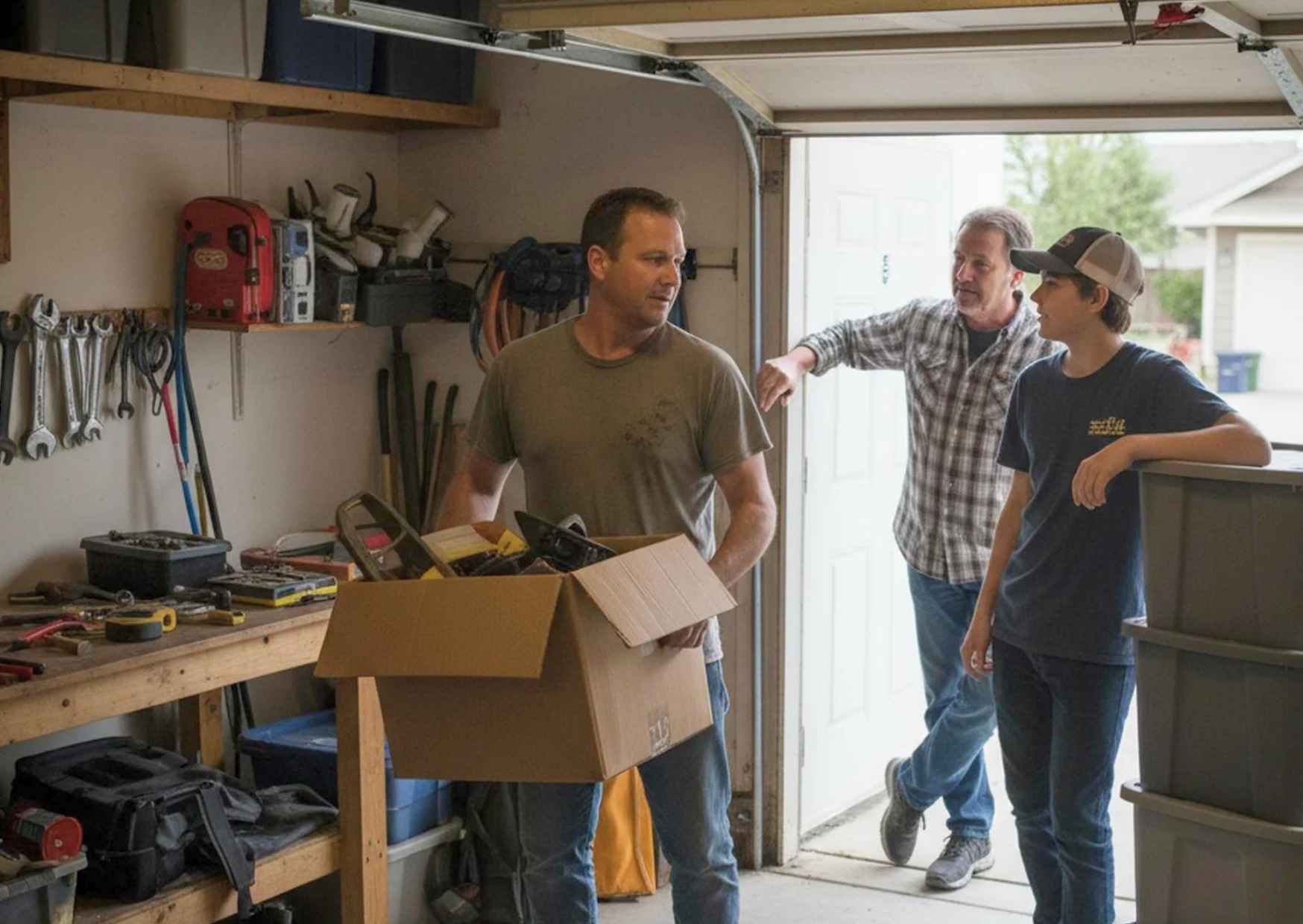
Think about what that could look like practically:
- A weekly or bi-weekly meal together where people share where they’ve seen the gospel at work (or needed it most)
- A simple daily reflection practice that everyone completes individually, then brings to the group
- A “Community Day” rhythm — not just a meeting but a shared table, a shared practice, a shared conversation about what the gospel means for this week
- Regular, low-stakes conversations about applying specific gospel truths to real situations people are facing
None of this requires a seminary degree or a polished teacher. It requires a community that takes the practice seriously.
A Tool That Has Helped Thousands of Groups
I want to tell you about a resource that has made a real difference in communities I’ve been part of and coached over the years — one I helped write specifically to address this problem.
The Gospel Primer is an 8-week community experience built around one goal: helping your group move from gospel knowledge to gospel fluency.
It’s structured as a daily practice — about 15-20 minutes per day — designed to be done individually through the week, with a Community Day each week where the group shares a meal and works through what they’ve been learning. The format creates the rhythms that matter most: regular individual practice + consistent communal conversation + a shared focus that pulls the group together around something real.
The eight weeks cover the topics that actually move the needle:
- What the gospel really is (deeper than most of us learned)
- The Story of God — and your place in it
- Your personal gospel story
- Gospel listening (maybe the most underrated skill in discipleship)
- Four eternal truths that hold everything together
- Two lenses that reframe all of life
- Gospel identity — who you are because of what Jesus has done
- Gospel rhythms for sustained, everyday life
If your group has felt stuck in the gap between knowing the gospel and living it, this is the kind of structured practice that closes that gap — not by adding more information, but by building habits of gospel fluency together.
The Next Step Is Smaller Than You Think
Here’s a brief video where I unpack this in everyday terms — if you want to share it with your community or a leader you’re working with.
The most common response I hear from leaders who try to shift their group toward gospel fluency is: “I didn’t know it could be this practical.” And I think that’s exactly right. The shift doesn’t require a major restructure or a new curriculum every year. It requires a decision — a community-wide decision to practice the gospel together until it becomes fluent.
Your group doesn’t need to be perfect at this. None of the communities I’ve worked with started there. But they made a choice to stop treating the gospel as information to be reviewed on Sunday and start treating it as a language to be learned in community, one ordinary moment at a time.
That’s what gospel fluency is. And it’s more available to your group than you might think.

If you want to go deeper on what it looks like to reorient your whole group around mission and gospel practice, the post Why Your Small Group Keeps Turning Inward (And How to Change It) (from Caesar’s original Everyday Disciple archive) is a good next step.
Frequently Asked Questions
Q1: What if our group has been doing a traditional Bible study for years? Can we actually shift toward gospel fluency without blowing everything up?
Yes — and you probably don’t need to. The shift toward gospel fluency isn’t about abandoning Bible study; it’s about adding practice alongside knowledge. The simplest starting point is introducing one question into your existing group rhythm: “Where did you see this truth show up — or where did you need it — in your life this week?” That one question, practiced consistently, begins to close the gap.
Q2: How do we handle members of the group who are at very different places in their understanding of the gospel?
This is actually one of the gifts of practicing gospel fluency in community. People at different stages learn from each other in ways that no teacher or curriculum can replicate. Someone who is newer to faith often asks the questions that expose the gaps in everyone’s understanding. Someone further along models what it looks like to apply the gospel under pressure. Don’t try to level everyone out — let the diversity work for you.
Q3: We’re not a church small group — we’re just a handful of neighbors and friends. Does any of this apply to us?
Absolutely — in some ways, even more directly. Gospel fluency in the context of natural friendship is exactly what missional community is meant to look like. You don’t need a church structure to practice this. You need a few people who are willing to be honest, share a meal, and ask the real questions. That’s it. Start there.

About the author, Caesar
The author of the top-selling books, The Gospel Primer, Transformed and Small is Big, Slow is Fast. His latest book, SLOW BURN: Relaxing Into Theology hit #1 on Amazon.
"I help those with a high commitment to intentional living in the areas of their family, faith and work acquire the leadership skills and tools necessary to succeed and leave a lasting legacy."