
Steps to Lead Your Small Group Toward Missional Living
Someone asked me recently: “How do I begin to lead my small group toward true missional living? I want our people to really live out an authentic everyday faith in community with others. Where do we even start?”
It’s a question I’ve been asked hundreds of times — and one I lived inside for years before I had any good answers. My wife and I stumbled around this for a long time. We had the desire but not the sequence. We wanted our community to move outward, but we kept running into the same invisible walls.
After years of living this way and training leaders around the world, here’s what I’ve learned: leading your small group toward missional living isn’t primarily about programming. It’s about helping people build a fundamentally different posture toward everyday life. And there’s a sequence that makes it work.
True discipleship starts at home — moves into community — then expands to include others.
That’s the path. The steps below aren’t a new curriculum. They’re a framework for how everyday disciple-making actually takes root.
Step 1: Help Your Group Believe a Bigger Gospel
Most small groups are anchored to a gospel that’s almost entirely about what happens after we die. And that version of the gospel produces passive Christians who are waiting for heaven instead of participating in the kingdom today.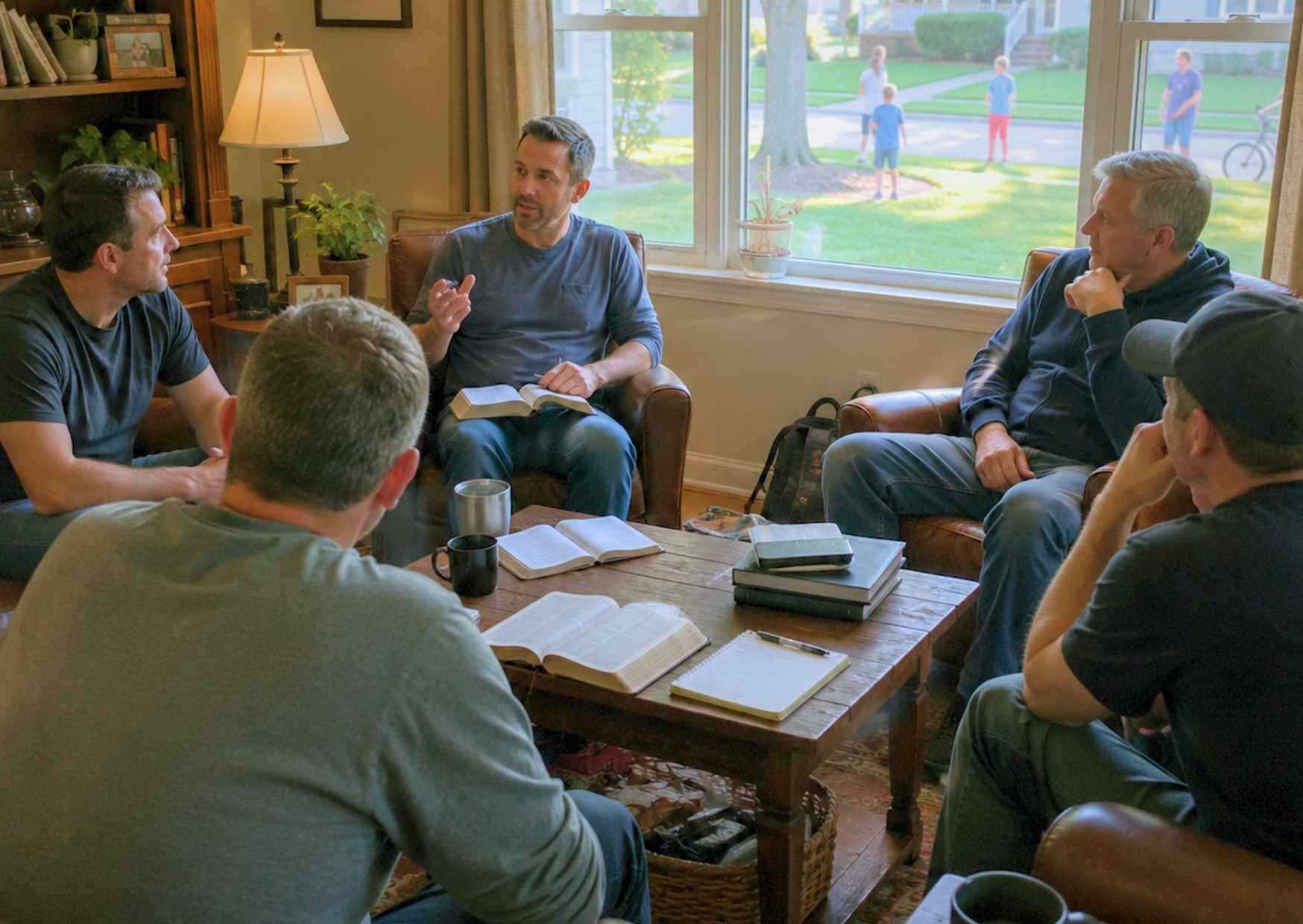
The first move is helping your people understand a gospel big enough to touch their marriages, parenting, finances, identity, work, and relationships — right now. When people genuinely believe that Jesus has something to say about how they treat their neighbor or spend their Tuesday afternoon, mission stops feeling like a separate category and starts becoming an expression of ordinary life.
This shift is foundational. Nothing else on this list lands without it.
Step 2: Start with the Table
Before you ever organize a missional community gathering, start with your own dinner table. Family meal times are one of the most underused discipleship environments in the average Christian home — and they’re also the most natural entry point for neighbors and friends who aren’t yet part of your community.
Pick one to three meals per week and put them on the calendar. Make them predictable. Invite people in. Keep it simple — a shared meal is rarely intimidating.
For a deeper look at this rhythm, Why Weekly Family Dinners Are a Game-Changer for Discipleship unpacks the why and the how in practical detail.
Step 3: Find Your Third Places
Every neighborhood has natural gathering spots — coffee shops, parks, local pubs, community centers. These “third places” (not home, not work, but somewhere between) are where people are already looking for connection.
Help your group identify two or three places that fit their natural rhythms and personality. Going to the same coffee shop consistently, getting to know the regulars, showing up at the neighborhood park on Saturday mornings — these aren’t “strategies.” They’re just being present where your neighbors already are.
Mission doesn’t require a program launch. It requires showing up.
Step 4: Learn to See People of Peace
As your group starts building relationships in these spaces, they’ll notice something: some people lean in, and some don’t. Jesus talked about this. He called the ones who lean in “people of peace” — those who are open to relationship, interested in your life, and drawn toward community with you.
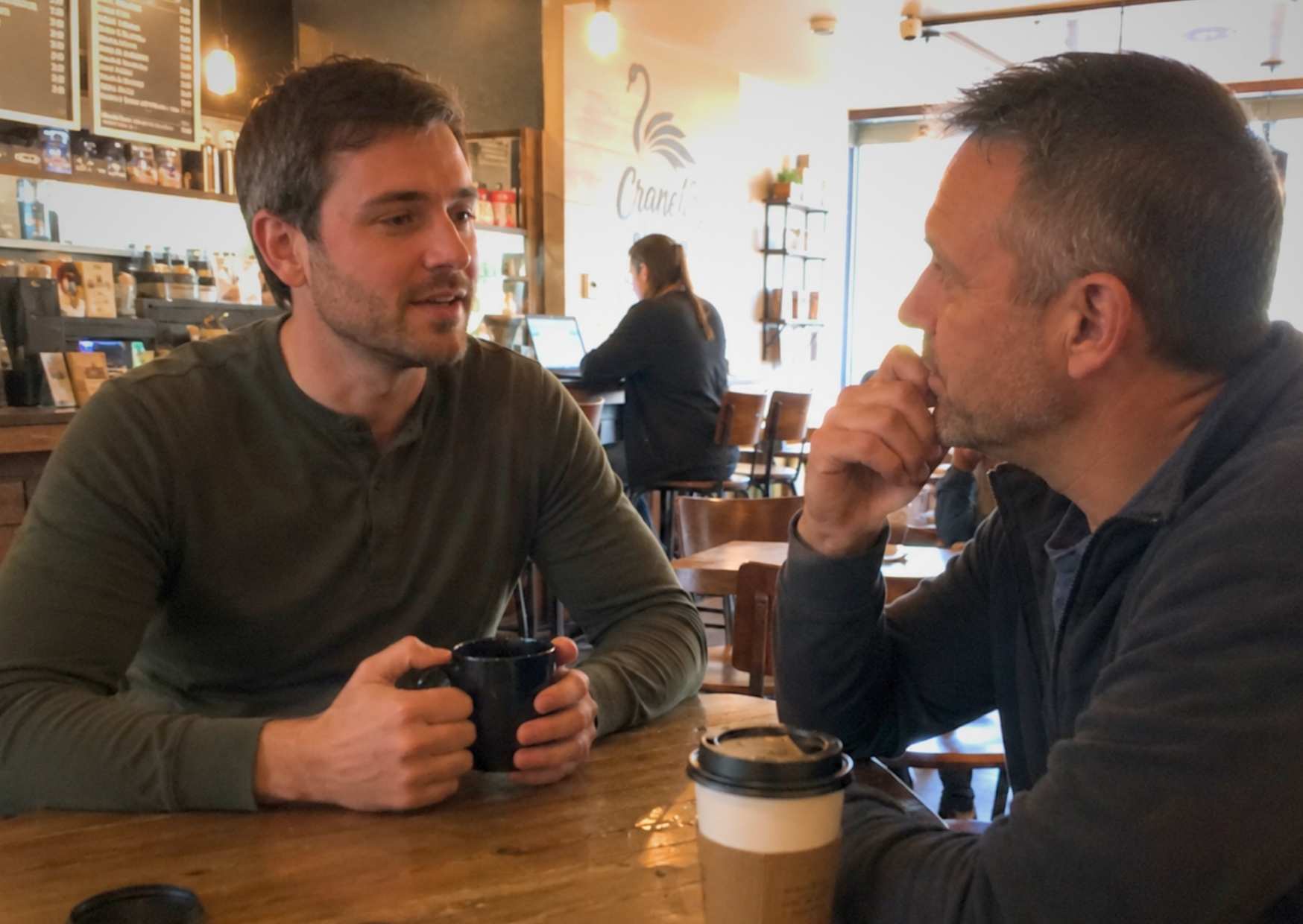
These aren’t people you manufacture a connection with. They’re people the Holy Spirit has already been preparing. Learning to recognize them — and to invest there rather than trying to force relationships that aren’t opening — is one of the most freeing shifts your group can make.
The podcast episode Finding Your People of Peace is one of the best starting points I can point you to for this conversation.
Step 5: Lose the Anxiety. Trust the Spirit.
Here’s where a lot of well-meaning leaders get stuck. They’ve built some relationships. They’re showing up in their neighborhoods. And then the internal pressure kicks in: How do I turn this into something more spiritually intentional? How do I move this toward discipleship without being weird?
The short answer: stop trying to engineer it. Trust the Holy Spirit to show you the very next step — just the next one — and then do that. When you feel the pull to invite someone to dinner, do it. When a conversation opens up into something deeper, stay in it. When someone asks a question about faith, answer it honestly rather than trying to redirect them to your small group’s entry point.
The goal isn’t to execute a discipleship strategy on people. It’s to be genuinely present with them and let the Spirit do what only the Spirit can do.
Step 6: Build Predictable Patterns That Welcome Others
Spontaneous community is beautiful — but it’s not what builds a movement. Predictability is what allows people to find their way in.
Help your group create regular, recurring environments that new people can step into: a weekly dinner, a monthly backyard gathering, a standing Saturday morning walk. The rhythm itself becomes the invitation. When people know they can show up next week or the week after that, the stakes of showing up drop significantly.
If you’re thinking through how to structure this kind of organic-yet-intentional community life, When Real Life Meets Mission: Finding Freedom in Organized and Organic Rhythms walks through the balance well.
Here’s a short video where I talk through this same idea if you’d like to share it or watch later.
Step 7: Teach the Story of God in a Reproducible Way
Here’s the step most small group leaders overlook: if your group can’t teach what they believe in a way that others can pass on, discipleship stops with them.
The goal isn’t to produce people who know a lot about the Bible. It’s to produce people who can tell the Story of God in a way that’s clear, compelling, and accessible — over dinner, in a conversation at the park, or while sitting with a friend who’s going through something hard. Learning to share the narrative of Scripture in a dialogical, story-based way levels the playing field between longtime Christians and someone exploring faith for the first time.
This is discipleship that multiplies rather than accumulates.
These Steps Work Everywhere
I’ve seen this sequence work in dense urban neighborhoods, rural communities, suburban cul-de-sacs, and across multiple countries and cultures. The context changes. The core pattern doesn’t.

The question isn’t whether your group could live this way. The question is whether you’re willing to lead the way yourself — starting in your own home, your own neighborhood, your own relationships.
If you’re ready to go deeper on the practical rhythms and tools that make everyday disciple-making sustainable, 7 Moves to Missional is built for exactly that. It gives your small group a shared language and a practical on-ramp to move from meetings to mission.
Frequently Asked Questions
Q1: How long does this process typically take before a small group starts feeling genuinely missional?
There’s no fixed timeline — but most groups start to feel the shift within three to six months of consistently practicing even two or three of these steps. The bigger gospel shift (Step 1) tends to be the slowest, but it’s also what makes everything else sustainable. Don’t measure progress by group size or “outreach events.” Measure it by changed posture.
Q2: What if only one or two people in my group are on board with moving outward?
Start there. You don’t need a unanimous vote to begin. The people who are ready to move will model it for the rest of the group — and often, the skeptics become the most committed once they see what it looks like in real life. Lead from the willing few and invite the rest to watch.
Q3: How do I keep our group from becoming so outward-focused that we lose depth and care for one another?
This is a real tension, and it’s worth naming honestly with your group. The answer isn’t to choose between inward depth and outward mission — it’s to let mission become the context in which depth happens. Groups that are doing life together with neighbors and people of peace tend to have richer, more honest conversations than groups that only meet to discuss a study. The mission creates the real-life material that depth requires.

About the author, Caesar
The author of the top-selling books, The Gospel Primer, Transformed and Small is Big, Slow is Fast. His latest book, SLOW BURN: Relaxing Into Theology hit #1 on Amazon.
"I help those with a high commitment to intentional living in the areas of their family, faith and work acquire the leadership skills and tools necessary to succeed and leave a lasting legacy."