
What Your Sunday Service Is Actually Teaching People About Jesus
Every week you craft a sermon, plan a set list, and arrange a room — all in service of one message. But what if the room itself is already preaching?
I’ve been asking this question for years, and the more I sit with it, the more convinced I am that it deserves a real answer. Not a defensive one. Not a dismissive one. But an honest one — from someone who has stood on those stages, loved those churches, and still wonders whether the medium we’ve built is quietly undoing the message we’re desperate to deliver.
The Philosopher Nobody Wants to Argue With
Marshall McLuhan wasn’t a pastor. He was a mid-century media theorist who looked at history and noticed something most of us miss: the technology we use to send a message reshapes the message itself. It’s not just what you say — it’s the entire structure through which you say it.
“The medium is the message.”
— Marshall McLuhan
McLuhan was writing about television, not church services. But the principle lands hard when you apply it honestly to the way most of us “do church” in America.
Because here’s the thing — if the medium shapes the message, then before your first scripture reference, before your opening song, before the lights even go down, your church service has already begun preaching. And the question worth sitting with is whether what it’s preaching is actually the gospel.
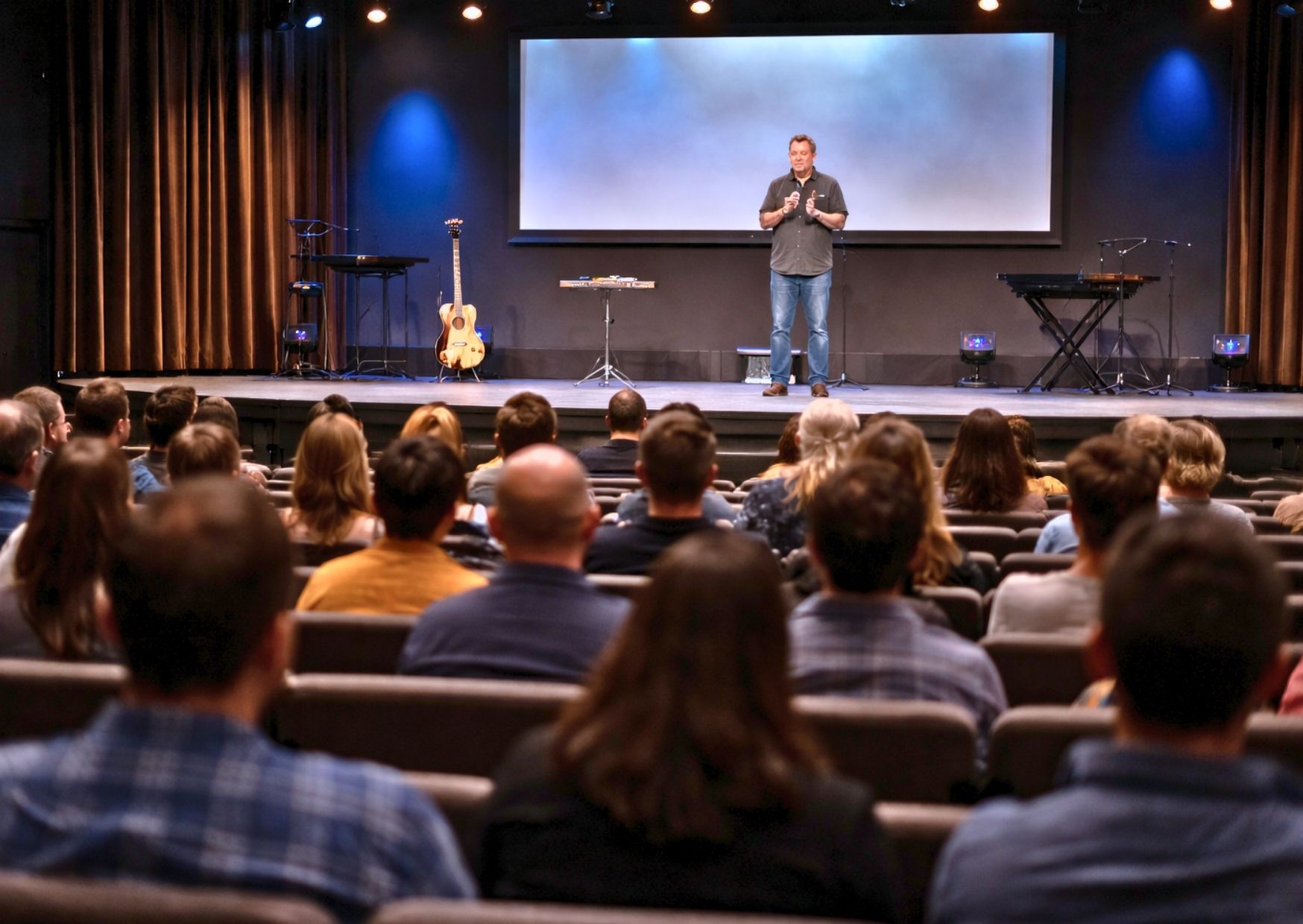
What Does a First-Time Visitor Actually Experience?
Let me walk through it from the outside.
Someone with no church background — your neighbor, your coworker, your skeptical brother-in-law — decides to check things out one Sunday. Here’s what they encounter:
A person in a special badge greets them at the door, hands them a printed program, and directs them to a seat. Badge. Program. Assigned direction. What does that communicate before a single word is spoken?
Then the lights shift, the band launches into a polished set, and a well-lit stage fills the room. An emcee-type figure welcomes everyone and tells them what’s about to happen. Three or four songs play — songs most people in the room had never heard before last year. All professional. All produced.
Eventually a special person appears center stage. The light from the balcony follows them everywhere they go. They speak for 35, 45, maybe 60 minutes. The room sits in near-total silence. People take notes.
A few closing songs. Announcements about programs with associated costs. A giving moment — guests are warmly told to sit that one out. And then, almost as quickly as it assembled, the crowd disperses back to their cars.
I’m not trying to be cruel here. I’ve been part of building exactly this. But I’ve also asked my non-Christian friends what they walked away thinking — and their impressions are harder to hear than we’d like.
The Medium: Assigned greeters, printed programs, rowed seating, staging, lights and sound. A special few people who do most of the communicating. Little to no personal interaction.
The Message: Christianity is a polished production put on by the talented few, for a passive audience, once a week, for 75 minutes. You are a guest. There is no obligation.
The medium sent that message. Not the sermon.
“Before your first scripture reference, the room is already preaching. The question is whether it’s preaching the gospel.”
The Identity Behind the Method
Here’s what I’ve come to believe: the production model doesn’t just confuse visitors — it quietly reshapes the pastor.
When the primary venue for “making disciples” is a Sunday service, the pastor’s job description drifts toward CEO, creative director, and weekly performer. The pull is structural, not personal. And somewhere in that drift, something essential gets lost: the day-to-day, life-on-life posture of an actual disciple-maker.
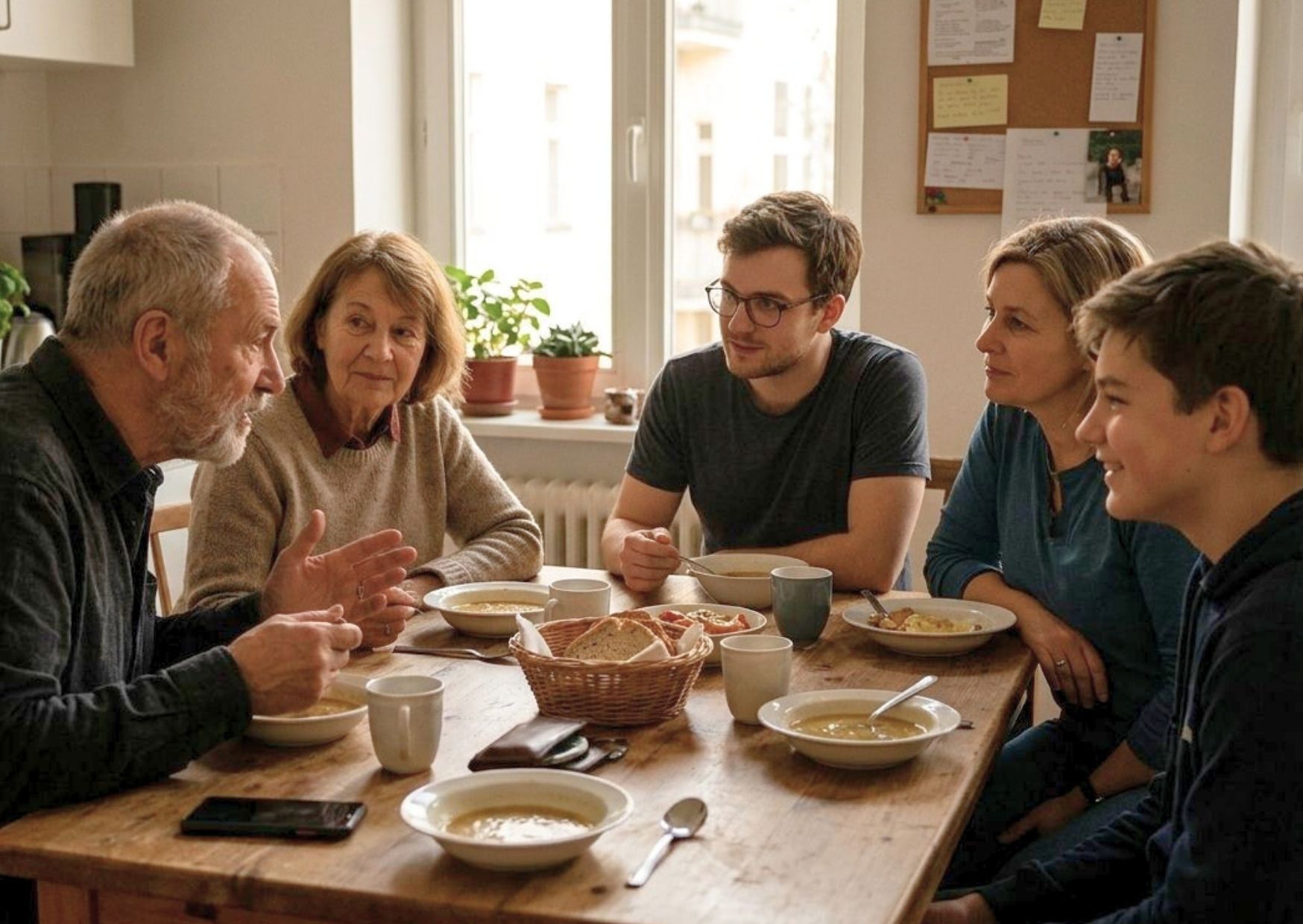
This is what I’d call an identity-method mismatch. You’re trying to produce outcomes the model was never designed to deliver — because everyday disciple-making doesn’t happen from a stage. It happens in homes, over meals, walking through actual life together.
You can’t produce what you haven’t been formed to be. And no amount of stage upgrades changes that math.
If you want to sit with this question further, I explored it in the episode Is Your Church Service Confusing People? — it’s a conversation worth having with your team.
A 4,000-Year-Old Alternative
The Sunday production model isn’t ancient. It’s barely 200 years old.
Before the 19th century revival-meeting era, before the professional pulpit, before the architecture that told people to sit still and face forward — disciples were made life-on-life, in homes, in ordinary rhythms, over shared meals. That’s 4,000 years of formation history we’ve quietly set aside.
Jesus’ own method was clear. Mark 3:14 doesn’t say he appointed twelve to attend his services. It says he appointed them “that they might be with him.” The medium was relationship. The message was: this is what it looks like to live with God.
And Luke records what that looked like in the early community:
“They devoted themselves to the apostles’ teaching and to fellowship, to the breaking of bread and to prayer… All the believers were together and had everything in common… Every day they continued to meet together in the temple courts. They broke bread in their homes and ate together with glad and sincere hearts, praising God and enjoying the favor of all the people. And the Lord added to their number daily those who were being saved.”
— Acts 2:42–47
The Medium: Homes, daily meals, prayer together, sharing with those in need, miraculous signs woven into ordinary life.
The Message: This is a family. You belong here. Because of Jesus, God’s favor rests on every day of the week — not just Sunday.
That is everyday disciple-making. Not a production. A way of being together.
Here’s a short video where I unpack this in everyday terms.
What We Actually Need Is Recovery, Not Innovation
The church growth conversation tends to frame this as a problem of innovation — we need better programs, smarter strategies, more engaging services. But what if the real need is simpler and older?
We don’t need to innovate forward. We need to recover something we’ve lost.
In Moving From Attracting To Deploying, I talk about the posture shift required for a church to stop trying to gather an audience and start releasing a movement. That shift starts not with a new model, but with a different identity. A pastor who is a disciple-maker — not just a stage presence — changes the medium. And when the medium changes, the message follows.
The Real Question
I love the church. I genuinely do — which is exactly why I won’t pretend the question isn’t worth asking.
When you stand before Jesus at the end of your ministry, what do you want to have to show? Production numbers? Attendance records? Or disciples standing beside you — people who are themselves making disciples?
The medium shapes the legacy. And the legacy question cuts through every other defense of the model.
If you’re feeling that tension — if something in your gut has been asking this question for a while — that’s not cynicism. That’s the Spirit. And it’s worth following.
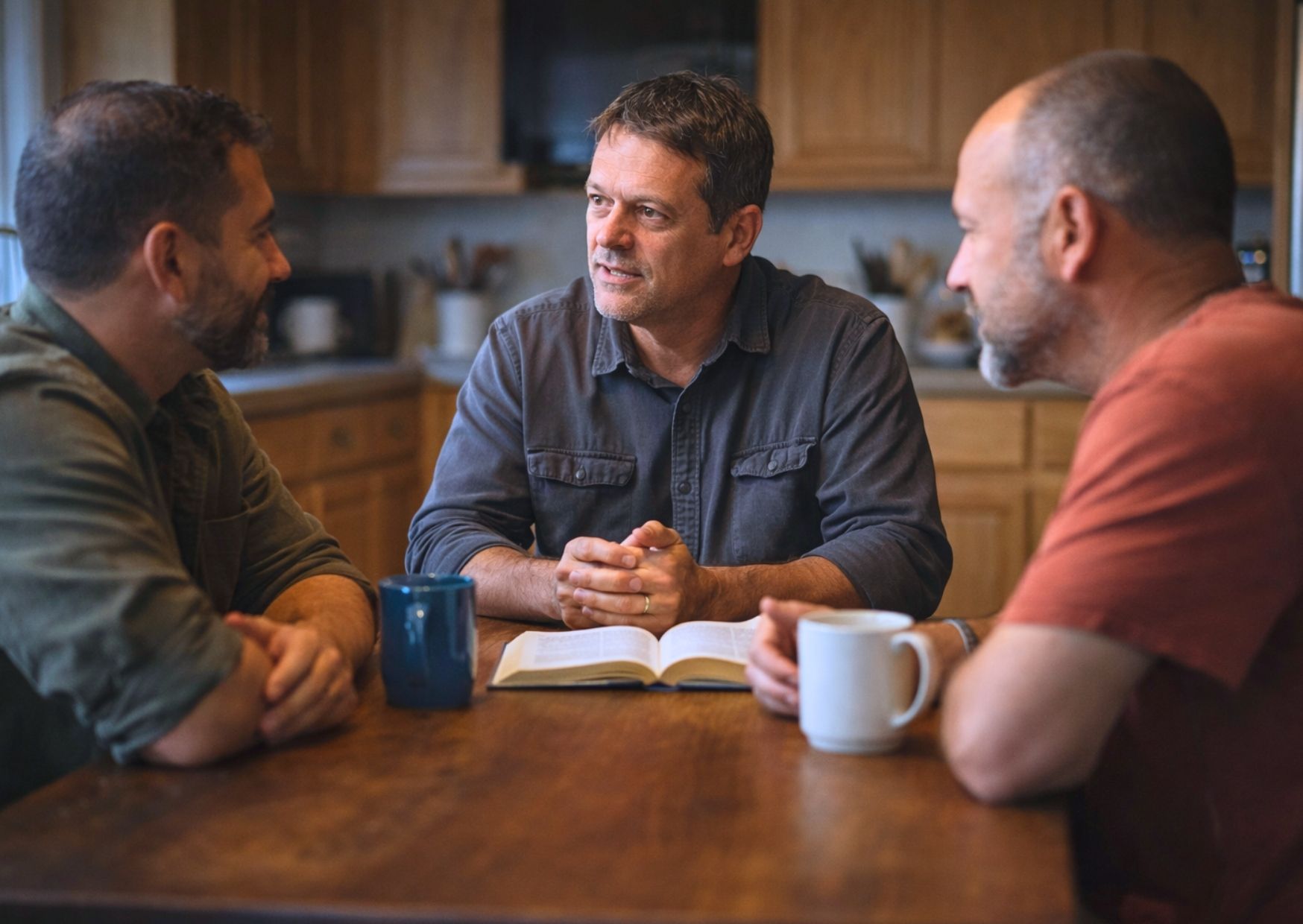
If you’re a pastor or leader who wants to work through what it would actually look like to become a disciple-maker — not just manage a gathering — Discipleship as a Lifestyle is a great place to begin. It’s the entry point into the Everyday Disciple MAKERS Coaching and Apprenticeship, designed for leaders who are serious about this shift.
FAQ: Questions Worth Asking After This
Q1: I agree the production model has problems — but what do I actually do with Sunday services? We can’t just cancel church.
Nobody’s suggesting you cancel Sunday. The shift isn’t about eliminating the gathering — it’s about who you are the other six days of the week. When pastors become everyday disciple-makers in their own lives, the Sunday service starts to serve a different function. It becomes a celebration of what’s already happening in homes and daily rhythms, not a substitute for it. The medium starts to change organically from there.
Q2: My congregation is comfortable with the current model. How do I lead this kind of change without splitting the church?
Slowly, and by demonstration rather than declaration. The most effective change agents don’t announce a new model — they start living one. When people see their pastor living as a disciple-maker, eating with neighbors, walking through life with a few people intentionally, the invitation becomes visible before it’s ever verbal. Change follows identity, not mandates.
Q3: What if my elder board or denomination would push back on this kind of shift?
That’s a real and valid concern — worth naming honestly rather than strategizing around. In most cases, resistance softens when the conversation shifts from “changing the church model” to “I want to become a better disciple-maker personally.” Starting with your own formation — not with a restructuring proposal — tends to open more doors than you’d expect.

About the author, Caesar
The author of the top-selling books, The Gospel Primer, Transformed and Small is Big, Slow is Fast. His latest book, SLOW BURN: Relaxing Into Theology hit #1 on Amazon.
"I help those with a high commitment to intentional living in the areas of their family, faith and work acquire the leadership skills and tools necessary to succeed and leave a lasting legacy."