
7 Reasons You Need to Play More
Ever since I was a young guy I’ve loved riding motorcycles. I’ve told you before about my thing for Harleys.
What’s changed is that I no longer think of riding as something I enjoy. I’ve come around to thinking I actually need it. And often.
Here’s my problem. My natural setting is workaholic, and I move through life with a low hum of belief that I’m the one keeping this planet spinning on its axis. Take too much time off and we’re all doomed.
Crazy, right?
And then a little spin on the bike, some wind in what’s left of my hair, and things get noticeably better.

Caesar Kalinowski and Hugh Halter out for a ride
So here are seven reasons all of us, leaders and parents and students and everybody, need to play more.
1. It’s how we admit God is in charge
I already told you I can walk around feeling like the weight of the world is on my shoulders.
Playing with my kids or my friends and unplugging from everything is an active way of saying something true out loud: God is great, and I don’t have to be in control.
That’s not a nice sentiment. That’s the whole thing. Every other reason on this list is downstream of it.
2. It gives you a break from deciding
Some days I make what feels like a thousand decisions.
Which means if you’re standing in front of me at hour eleven, you may be getting roughly one one-thousandth of my attention. Not good.
Play involves almost no critical decision-making, and it puts something back in the emotional account that all that deciding drains.
3. It feeds creativity
Barbara Fredrickson’s work at the University of North Carolina has shown that positive emotions increase our ability to reason and to connect with other people.
Put another way, play unsticks us. It’s often the thing that lets us come back at a problem from a direction we couldn’t see while we were grinding on it.
4. It’s good for your body
Laughter is usually a side effect of play, and there’s decent research suggesting laughter does real physical good. Lower stress. Better heart health.
Fun turns out to be less frivolous than it looks.
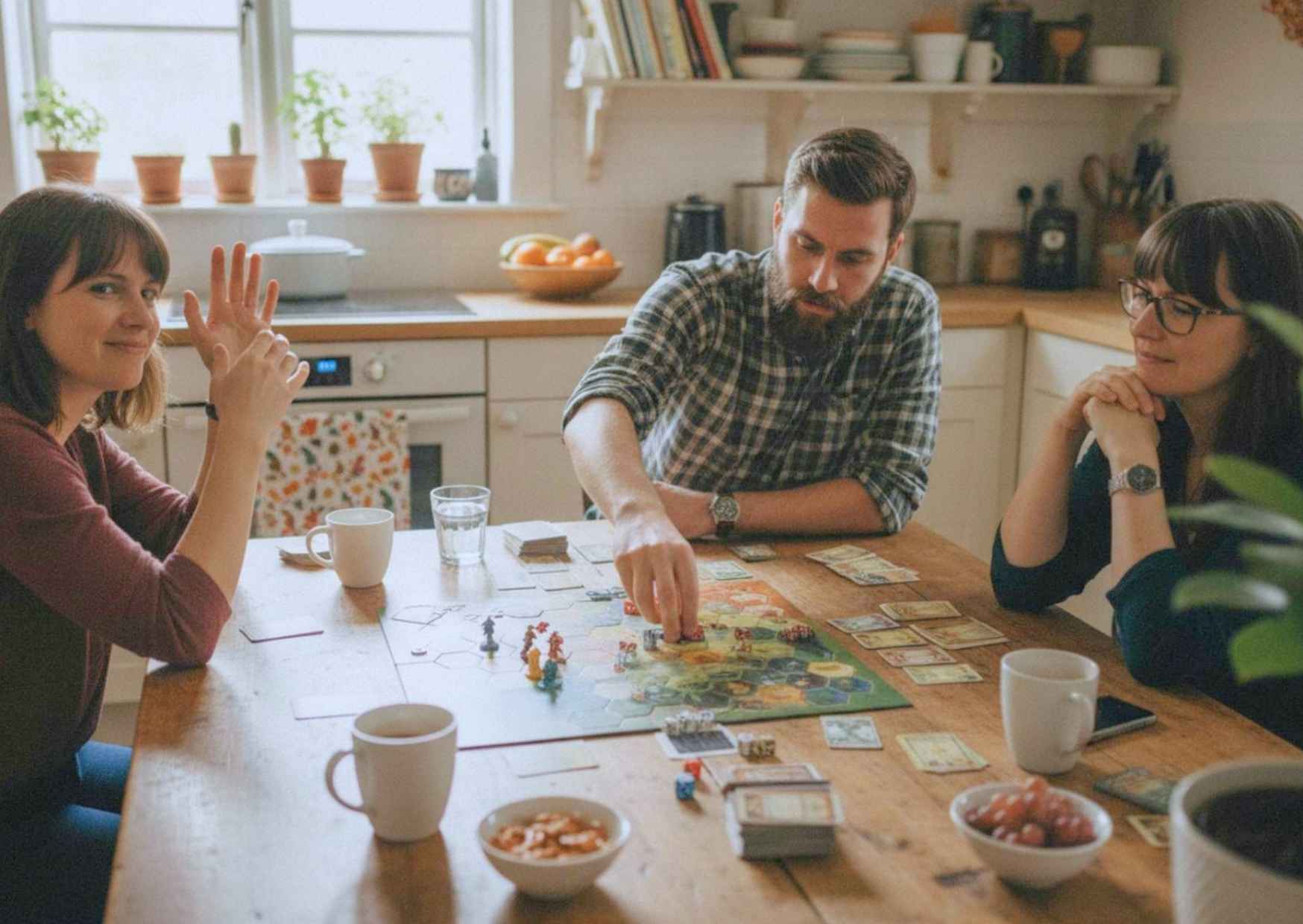
5. It moves us from head to heart
When we play and let our minds switch off for a while, we reconnect with ourselves.
Long stretches of heavy responsibility make us pragmatic and a little myopic. We start seeing tasks where people are standing.
Time spent having fun lets us process what actually matters to us again, instead of just what’s next.
And if you’re already arguing with me in your head about why you can’t, that’s worth a listen too: 7 Lies That Ruin Our Ability To Rest
6. It connects us to the people around us
When I’m tired and drained, my instinct is to collapse in front of the television by myself. Sometimes that’s exactly right.
But getting out and playing with other people plugs me back into what my neighbors and my community find fun. It widens my interests, and it builds real relationships without me having to engineer anything.
7. It wakes us up
Play makes us present. It breaks the loop of the mundane.
Focusing on something we find genuinely fun pulls us into right now, which frees us from chewing on problems and the past, and clears the road ahead.
If a video helps, here’s a short clip where I unpack this in everyday terms: 7 Reasons You Need To Play More
The thing underneath all seven
A regular rhythm of unplugging and playing reminds us what’s actually important.

It won’t fix everything you’re facing. But it will keep reminding you that the outcome was never resting on your shoulders in the first place.
That’s the part I have to relearn constantly. If my life feels like a heavy load I’m dragging, it stopped being the load Jesus described a long time ago.
We built rest into the wrong end of the week and wonder why we’re tired. There’s a better order: Why Planning Rest Before Work Is Smart
Play and rest aren’t a reward for getting everything done. They’re part of how we live as people who already have a Father running things. That rhythm, and five others like it, is what Transformed is about.
FAQ
Q1: What actually counts as play?
Anything you’d do with no productive reason and no outcome to report. If you can explain how it’s really working on something, it’s probably not play yet.
Q2: I don’t have a hobby. Where do I start?
Go back to what you liked at twelve. Not what you’re good at now. Most adults abandoned play because they got bad at it, not because they stopped enjoying it.
Q3: I feel guilty when I’m not working. How do I get past that?
Notice the guilt is telling you something is depending on you that isn’t. That’s worth taking to God rather than out-working. Guilt about rest is almost always a belief problem wearing a productivity costume.

About the author, Caesar
The author of the top-selling books, The Gospel Primer, Transformed and Small is Big, Slow is Fast. His latest book, SLOW BURN: Relaxing Into Theology hit #1 on Amazon.
"I help those with a high commitment to intentional living in the areas of their family, faith and work acquire the leadership skills and tools necessary to succeed and leave a lasting legacy."